
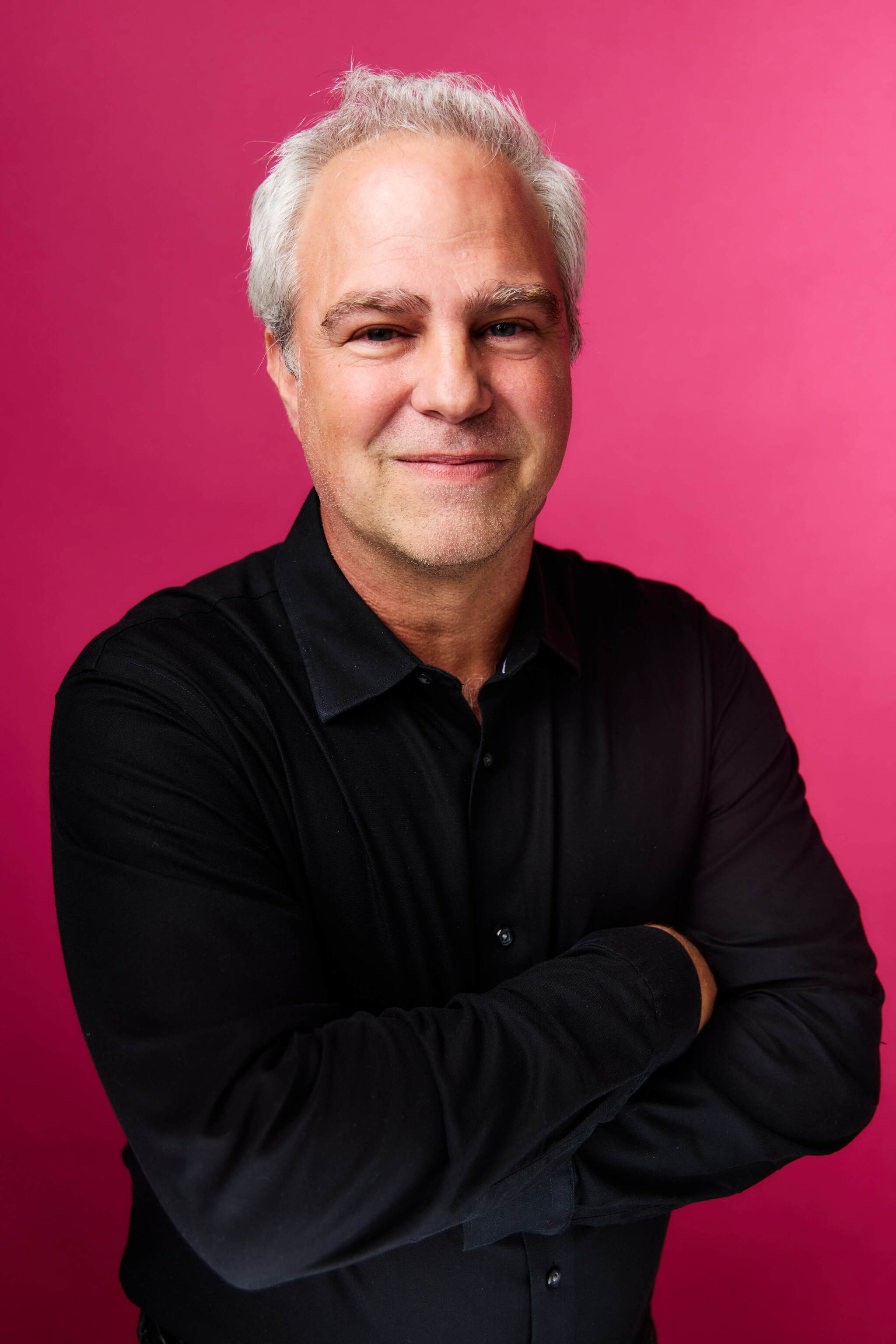
“Working with Mike feels like collaborating with the NFL of pro audio.”
I didn't set out to become a speaker or a framework builder or anyone's idea of a leadership consultant.
I set out to sell headphones.
What happened instead was that I ended up standing at an intersection nobody else was standing at — where the world's biggest stages met the world's biggest retailers, where tour buses met boardrooms, where grizzled road warriors and freshly minted MBAs were trying to solve the same problems from completely different directions — and I couldn't quite square what I was seeing.
I was taking Best Buy buyers backstage to meet their favorite pop stars. Plugging Apple executives into artists' personal monitor mixes at front of house. In fact — the night Google bought YouTube, I was entertaining half their team backstage at an Incubus concert. I was spending my days training big box retailers and my nights watching how the most pressure-tested professionals in the world actually operated.
And I kept having the same thought: these roadies are running circles around everyone in the office.
The Revelation
I'll be honest. For a while I was spending a lot more time net-drinking than networking. But somewhere in the middle of all of it — the backstage passes and the retail launches and the product placements from America's Got Talent to Saturday Night Live — I started paying attention to what I was actually doing.
I was making the impossible possible. I was the bridge between retail and rock. And I learned that the principles underneath it all — trust mechanics, coordination systems, accountability standards —that live performance had forged under real pressure over decades were teachable.
The more I paid attention and applied these lessons to my own work, the better I got at my job. Sales grew. Placements landed with surgical precision. Teams I trained started operating differently. And people kept coming back — year after year — to tell me how they'd applied what they'd learned.
Though Steve Aoki's guy once told me I needed to give him free stuff because that was the future of marketing. I thought it was the dumbest thing I'd ever heard and told him to bugger off. So clearly, I was not batting a hundred percent.
But I did figure something out that most people in both worlds — the stage world and the corporate world — were missing entirely.
The entertainment world had already solved the problems the corporate world was still naming. Nobody had ever translated it. And I was uniquely positioned to do exactly that. So I became obsessed.
The Results
Twenty years of operating at that intersection produced three frameworks that I now teach to executives, leadership teams, event staff, and organizations that are serious about performing under real-world pressure.
Performance Psychology — translating the operating doctrine of live production into leadership frameworks. The Can't Fail Attitude. The Script. Trust as infrastructure. The system that holds because it was built to evolve.
The Networking Operating System — reframing networking not as a social skill but as a strategic discipline. How trust moves faster than authority. How relationships determine access. How coordination actually happens in the real world.
Sales Mastery through Placement Intelligence — understanding how markets actually adopt products and language. How belief forms before anyone is selling. How to work upstream of the sale so that when the conversation happens, the market is already ready.
These are not separate offerings. They are the same system applied at different depths. And once you start operating this way — once you see how trust and coordination and belief formation all connect — it becomes very difficult to go back to treating any of them as incidental.
What I teach is real. It was forged backstage, under pressure, in environments where failure is public and excuses don't absorb impact.
I see it in three acts.
Act I was building the category — launching products, scaling brands, and proving that custom IEMs could transform performance.
Act II was serving the industry — founding IEMITO, joining the board of The Roadie Clinic, and producing the documentary — Can I Get a Little More Me — a film about backstage trust that makes the impossible look effortless and the invisible people who make concerts unforgettable.
Act III is scaling the lessons globally — helping executives, boards, and brands apply backstage trust to their highest-stakes moments.
Each act builds on the last. The throughline has always been the same: performance under pressure, and the trust it takes to make it work.
Today, Mike Dias is available for keynote talks, workshops, and a limited number of select engagements with organizations where performance matters, failure is not an option, and outcomes must hold under pressure.
Trust is the condition. The framework is the practice. Experience is the outcome.
For full bio, press materials, and speaking credentials → mike-dias.com/press
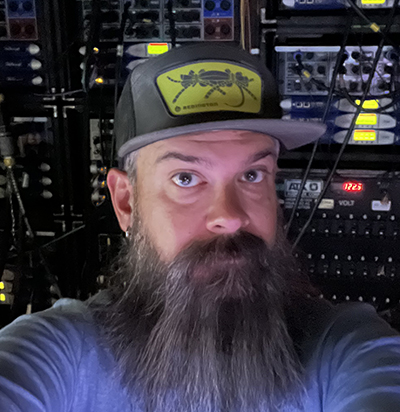
Jason Batuyong
Sound Engineer for America’s Got Talent
Notable Sessions & Interviews

The Headphone Revolution
Mike Dias & the Signal to Noise hosts weave together the storylines of the influence and impact that musicians, techs, engineers, manufacturers and consumers have played during the global headphone revolution.

The Complete Networking Series
This limited, eight-part series reframes networking as a strategic discipline.
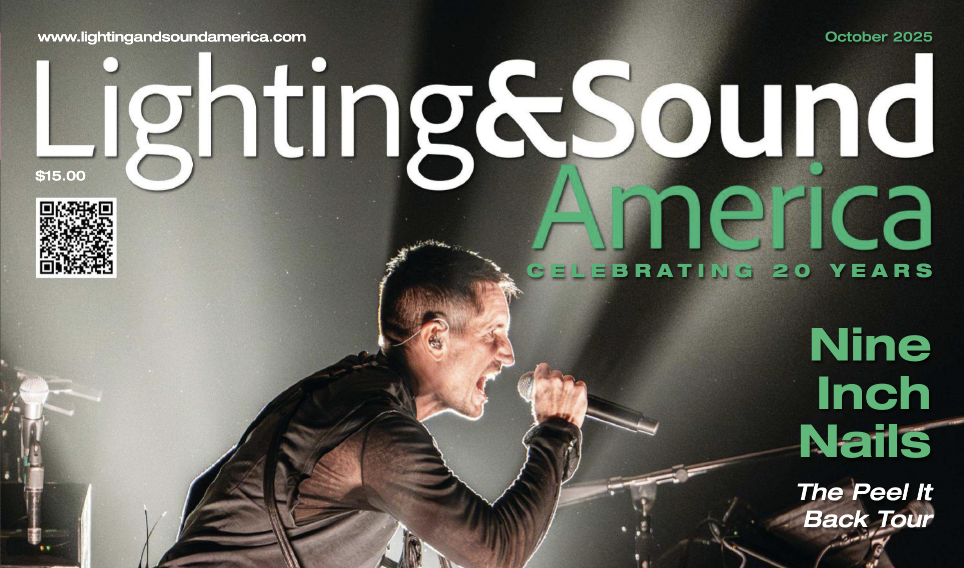
People Worth Knowing
October 2025, LSA Industry Profile


